
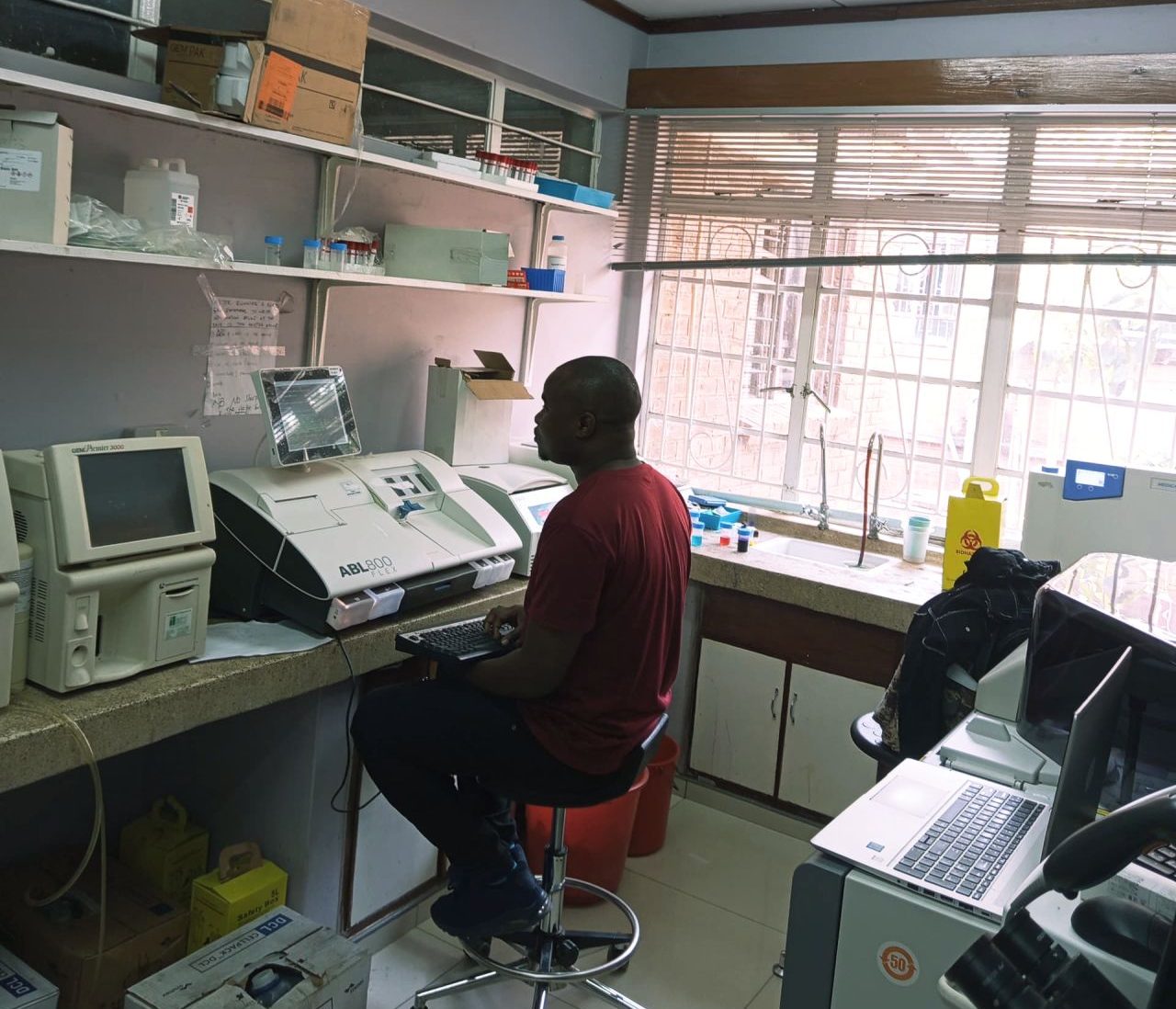
As a System Administrator, my work often goes far beyond the traditional office environment. Recently, I had the opportunity to spend time at Queen Elizabeth Central Hospital (QUECH), working on medical imaging and diagnostic equipment. The experience was a powerful reminder of just how deeply technology is woven into modern healthcare.
When people think of hospitals, they often think of doctors, nurses, and medical equipment. What is less visible—but just as critical—are the IT systems running quietly in the background. From servers and networks to the systems that support laboratory machines and imaging tools, technology plays a silent yet essential role in saving lives every single day.
In environments like QUECH, reliability is everything. Systems must be stable, secure, and always available. A network issue, server failure, or system delay can directly affect diagnosis, treatment, and patient care. This is where systems administration becomes more than just a technical role—it becomes part of the healthcare delivery chain.
Working in a hospital setting is always humbling. It highlights how the skills we develop as IT professionals can have real-world impact beyond business productivity or convenience. Properly managed systems improve efficiency, reduce downtime, protect sensitive data, and ultimately support better patient outcomes.
Experiences like this reinforce why ICT matters, especially in critical sectors such as healthcare. Behind every scan, test result, and digital record is an IT system—and behind that system is someone ensuring it works when it matters most.
Technology may be silent in hospitals, but its impact speaks volumes.